Tips for Maintaining Fresh Landscaping
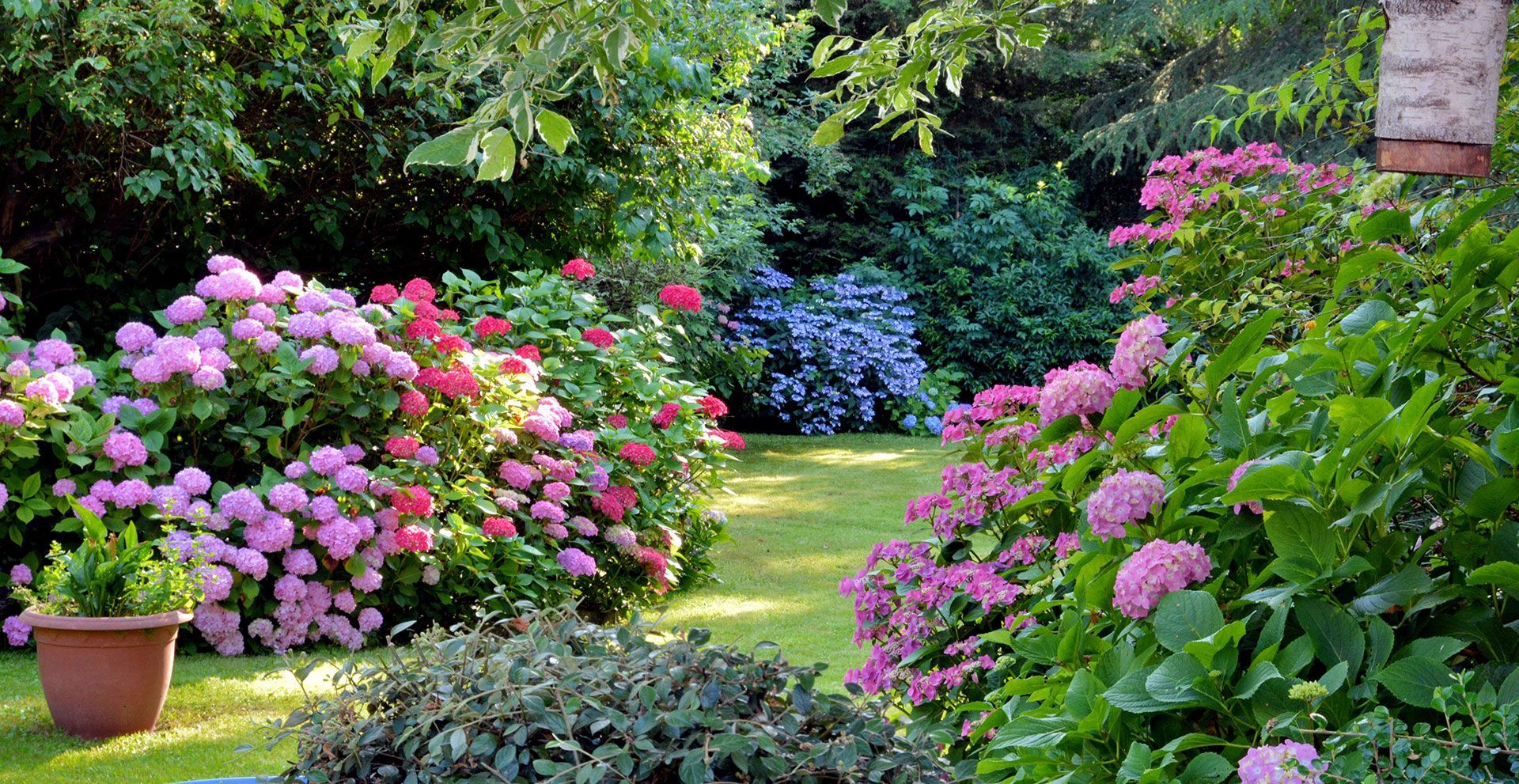
Fresh, well-maintained landscaping can make a major difference in the appearance and enjoyment of your property. Healthy grass, neatly shaped plants, clean edges, and seasonal color all contribute to a polished outdoor space. However, keeping a landscape looking its best requires more than occasional watering or mowing.
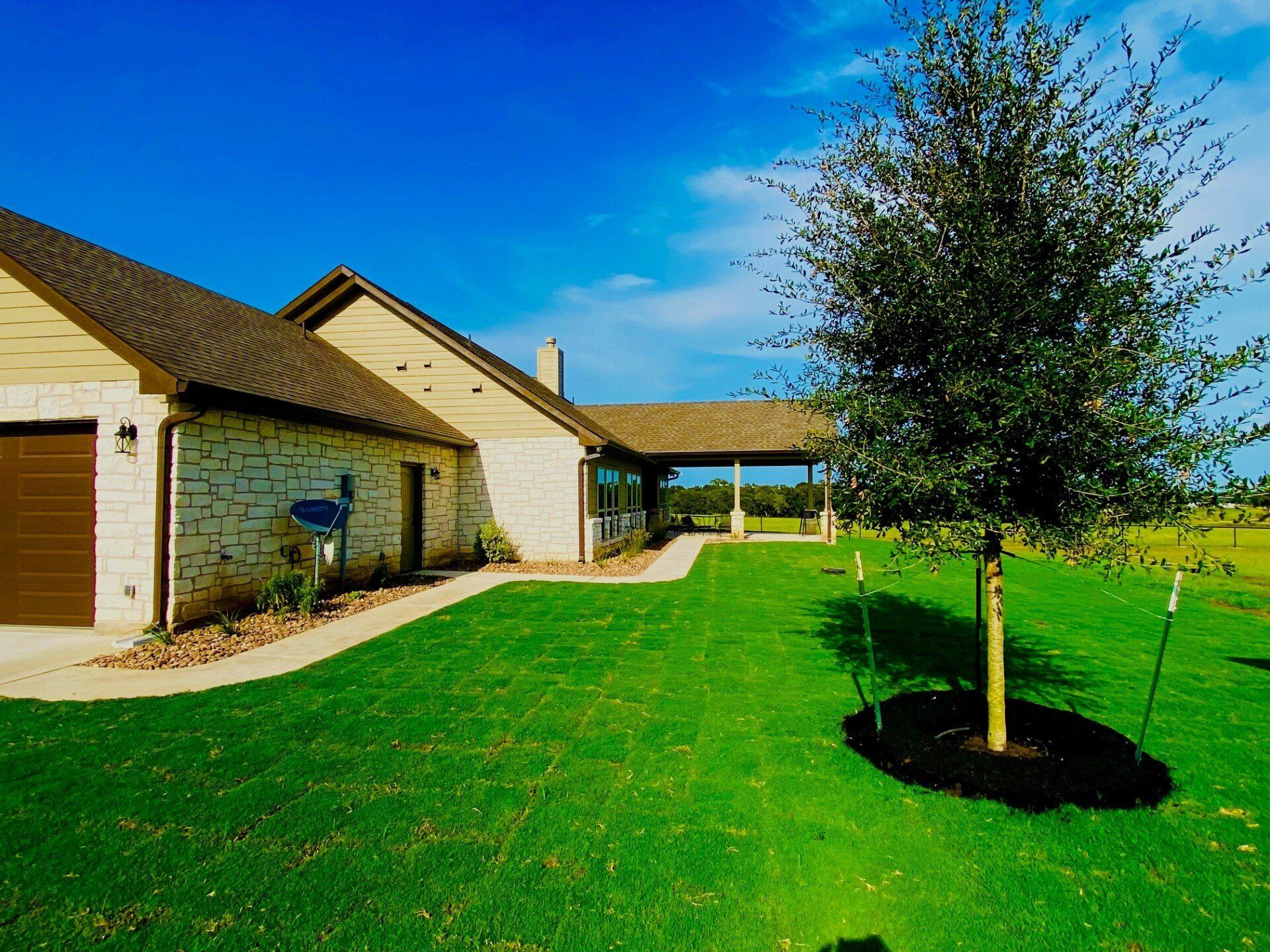
Whether you recently completed a landscape installation or are simply trying to improve an established yard, consistent care can help protect your investment and keep your property looking attractive throughout the year.
Water With Purpose
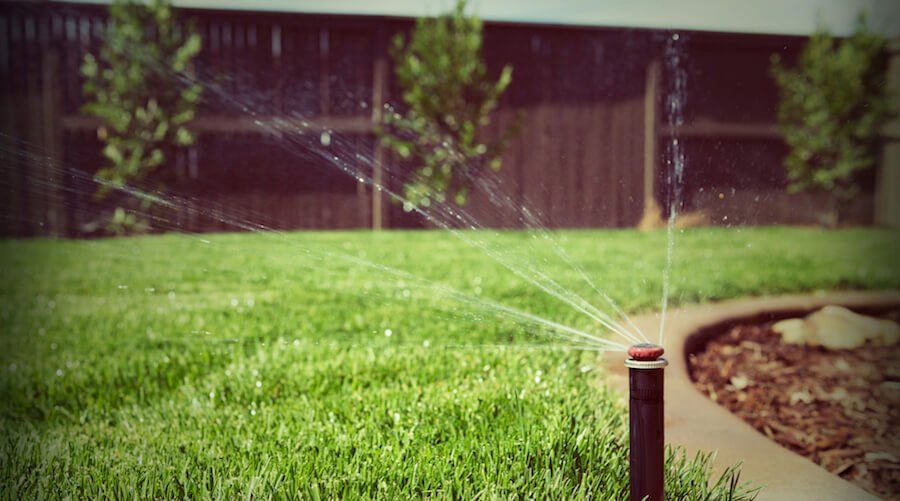
Proper watering is one of the most important parts of maintaining healthy landscaping.
New plants, sod, and trees may require more frequent watering while their roots become established, while mature landscaping often performs better with deeper, less frequent irrigation. The exact schedule depends on your climate, soil type, plant selection, and recent rainfall.
Try to water early in the morning when possible. This gives moisture time to reach the root zone before the hottest part of the day while reducing unnecessary evaporation.
Be careful not to overwater. Constantly saturated soil can contribute to root problems, fungal growth, and weak turf.
Keep Up With Mowing
Routine mowing helps lawns maintain a neat appearance and encourages healthy growth.
Avoid cutting the grass too short. Removing too much of the blade at once can stress turf and make it more vulnerable to heat, weeds, and pests. A good general practice is to mow regularly enough that you are not removing more than about one-third of the grass blade at a time.
Professional lawn maintenance services can be especially helpful for homeowners and businesses that want consistent mowing, edging, trimming, and general lawn care without having to manage everything themselves.
Refresh Mulch Regularly
Mulch does more than improve the appearance of flower beds.
A fresh layer can help conserve soil moisture, reduce weed growth, moderate soil temperatures, and create a cleaner visual transition between planted areas and the lawn.
Over time, mulch can decompose, fade, or become scattered. Periodically refreshing it can instantly give your landscaping a more finished appearance.
Avoid piling mulch directly against tree trunks or plant stems, as excessive moisture around the base can create problems.
Trim Trees & Shrubs
Pruning helps maintain the shape, health, and size of many landscape plants. Remove dead, broken, or diseased branches when appropriate, and keep shrubs from becoming overgrown around walkways, windows, driveways, and other areas.
Different plants benefit from pruning at different times of year, so it is important to understand the needs of each species before cutting heavily.
Routine trimming also helps preserve the clean, intentional appearance established during your original landscape installation.
Stay Ahead of Weeds
Weeds compete with desirable plants for water, nutrients, sunlight, and growing space.
Pulling weeds when they are small is often much easier than dealing with them after they have established deep roots or produced seeds.
Maintain mulch in planting beds, monitor bare soil, and address weeds in turf before they spread.
If weed pressure becomes difficult to manage, a landscape professional can recommend control methods appropriate for your lawn and plantings.
Pay Attention to Edging
Small details can have a big visual impact.
Clean edging around sidewalks, driveways, flower beds, and landscape features creates clear boundaries and gives the property a professionally maintained appearance.
Without regular edging, grass can gradually spread into beds and across hardscape surfaces.
Including edging as part of routine lawn maintenance services can help keep the entire property looking organized and well cared for.
Fertilize Based on Plant Needs
Grass, shrubs, flowers, and trees all require nutrients, but more fertilizer is not necessarily better.
Applying too much fertilizer can damage plants, encourage excessive growth, and contribute to environmental runoff. Use products appropriate for the specific plant type and follow recommended application rates.
Soil testing can also provide useful information about nutrient levels and help determine whether amendments are actually needed.
Watch for Pests & Disease
Regularly walking your property allows you to spot problems early.
Look for warning signs such as:
- Yellow or brown patches in the lawn
- Chewed or damaged leaves
- Unusual spots or discoloration
- Wilting despite adequate water
- Visible insect activity
- Dead branches
- Thinning turf
The sooner you identify the cause, the easier it may be to prevent the problem from spreading.
Avoid treating every issue automatically with pesticides. Drought stress, improper watering, nutrient deficiencies, and disease can sometimes resemble insect damage.
Replace Struggling Plants
Not every plant will thrive forever. Weather, soil conditions, age, pests, and changes in sunlight can all affect plant performance. If a shrub, flower, or ornamental plant repeatedly struggles despite proper care, replacing it may improve both the appearance and health of the landscape.
Choose replacement plants that are appropriate for the amount of sunlight, available space, soil conditions, and climate.
A thoughtful update can refresh an older landscape without requiring a completely new landscape installation.
Consider Professional Lawn Maintenance Services
Maintaining an attractive landscape requires consistency. For busy homeowners, property managers, and businesses, professional lawn maintenance services can provide the routine attention needed to keep outdoor areas looking their best.
Depending on the provider, services may include mowing, edging, trimming, seasonal cleanups, weed management, plant care, and other maintenance tasks. Professional assistance can also make it easier to identify small problems before they become larger and more expensive to correct.
Contact Our Landscape Installation Team to Get Started
A successful landscape installation is only the beginning. The appearance and health of your outdoor space will ultimately depend on the care it receives in the months and years that follow. By watering properly, mowing consistently, refreshing mulch, controlling weeds, caring for plants, and addressing problems early, you can help your landscaping stay fresh and inviting!
If you're interested in boosting the health and appearance of your property, don't hesitate to contact one of the friendly representatives at Gene's Services LLC. Our qualified team members are standing by to provide support across the Brenham and College Station, TX areas!